



Aluminum & electrolysis: understanding and preventing corrosion on your sailboat
Aluminum is a valuable ally for long-distance sailors. But like any noble material, it deserves to be treated with care. Focus on the reality of electrolysis—and how Allures Yachting rigorously prevents Allures Yachting .
Aluminum boats: the choice of robustness
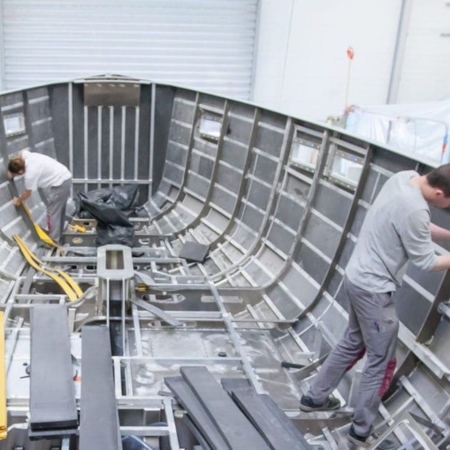
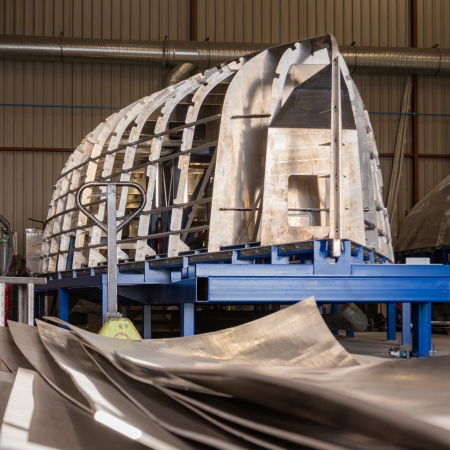
Three times lighter than steel, aluminum is the material of choice for mobility. Used in aeronautics, automotive, rail, and naval applications, it has been the benchmark material for blue water cruising sailboat hulls for over 50 years. Its durability, recyclability, impact resistance, and low maintenance requirements make it the ideal choice for long-distance sailors.
But what about electrolysis in all this?
If you mention aluminum in a port, there is always someone who will express concern about electrolysis. But what does this word really mean?
In reality, the term electrolysis is often used incorrectly. It covers two very different phenomena:
- Galvanic corrosion
- Electrolytic corrosion
Understanding them is already preventing them.
Galvanic corrosion: a story of metals
Galvanic corrosion results from the contact of different metals immersed in the same electrolyte, in this case seawater. A weak electric current flows, causing gradual attack on the less noble metals.
The solution: sacrificial anodes .
sacrificial anodes deliver a natural protective current that counteracts the corrosion current. Their effectiveness can be measured accurately using appropriate tools.
Electrolytic corrosion: beware of leakage currents
Electrolytic corrosion is caused by accidental electrical current (leakage current) coming from the shore or dock. This additional current accelerates corrosion at the point of exit to the sea, depending on its polarity.
The solution: rapid detection and neutralization of leakage currents through regular monitoring of the electrical system.
Integrated expertise at Allures Yachting
At Allures Yachting, we go far beyond the standards. Our design office includes electrical engineers who ensure that each sailboat is designed to remain protected from these phenomena.
- Rigorous electrical assembly
- Installation and monitoring of sacrificial anodes
- Periodic leakage current testing
Tip: Replace your sacrificial anodes are more than 50% worn to ensure their effectiveness.
Anticipate to navigate with peace of mind
Electrolysis is not inevitable. It is a well-understood phenomenon that can be controlled, provided you follow a few simple rules and remain vigilant. A well-designed, well-maintained boat will take you far, for a long time, and with complete confidence.

latest news

.jpg)

latest experiences